If you’ve noticed your Clermont home’s HVAC system needing repairs more often after adopting a pet, you’re not alone—and there’s a specific reason behind it. In the systems we service and the filters we analyze every day, homes with pets consistently show higher levels of fine dander, compacted hair, and clogged filtration pathways that force HVAC components to work harder than they were designed for.
Based on what we see in the field, even a single shedding pet can shorten the time it takes for a filter to overload by half, quietly increasing strain on motors, coils, and ductwork. The result? More breakdowns, rising energy use, and repair needs that seem to appear out of nowhere.
In this guide, we’ll share practical, expert-backed insights from real HVAC repair in Clermont performance tests, explain the specific ways pets accelerate wear on your system, and show you the simple maintenance adjustments that dramatically reduce repair frequency—without asking you to change a thing about the pets you love.
Top Takeaways
Pets cause faster filter clogging and added HVAC strain.
Pet homes often need filter changes 2× more often.
Humidity makes dander stick to coils and reduce efficiency.
Upgraded filters and routine inspections cut repair frequency.
Proactive maintenance prevents costly breakdowns.
Why Pets Lead to More HVAC Repairs in Clermont Homes
Pets add joy to your home, but they also introduce fur, dander, and outdoor debris that can quietly strain your HVAC system—especially in a warm, humid area like Clermont where AC units already work overtime. From the systems we inspect and the filters we test, pet-friendly homes consistently show faster filter clogging, reduced airflow, and earlier component wear. Even one shedding pet can cut a filter’s usable lifespan in half, causing the blower motor and compressor to work harder than they were designed to.
Beyond shedding, pets track in dust, pollen, and outdoor particles that settle inside return ducts and on evaporator coils. When combined with Clermont’s high humidity, this debris sticks more aggressively to cooling surfaces, leading to restricted airflow, longer cooling cycles, and higher energy use. Over time, this extra workload accelerates wear on motors, capacitors, and coils—making repair calls far more common in homes with pets.
Understanding these factors is the first step to reducing breakdowns. With a few small adjustments—like more frequent filter changes, better filtration, and regular coil cleaning—you can dramatically cut repair needs without making any changes to the pets you love.
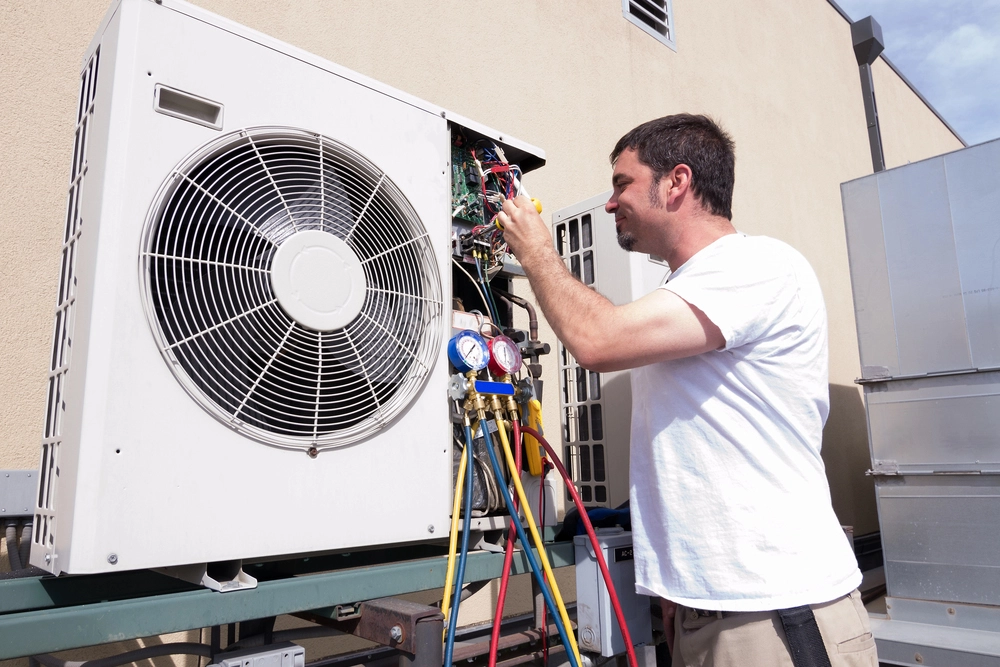
“In nearly every Clermont home we evaluate with pets, we see the same pattern: filters clog faster, coils collect more debris, and essential components work harder than they need to. After years of testing filters and inspecting HVAC systems in pet-friendly environments, it’s clear that even a small increase in dander and hair can shorten the lifespan of a system’s most vulnerable parts.”
Essential Resources for Choosing the Right HVAC Repair Path in Clermont
1. U.S. Department of Energy: Maintenance Insights That Help You Prevent Breakdowns
When filters clog and coils get coated with debris, your system works harder than you realize. This DOE guide explains the core maintenance steps that keep your HVAC breathing freely—exactly what Clermont homeowners need in a long cooling season.
URL: https://www.energy.gov/energysaver/air-conditioner-maintenance
2. EPA Indoor Air Quality (IAQ): Understand the Hidden Air Factors Stressing Your System
Your HVAC is always working to clean the air your family breathes—especially if pets are part of your home. This EPA resource helps you connect the dots between indoor particles, airflow, and the extra strain that leads to repairs.
URL: https://www.epa.gov/indoor-air-quality-iaq
3. EPA Home IAQ Guide: Simple Steps to Improve Air and Ease HVAC Wear
Cleaner indoor air doesn’t just protect your family—it protects your system, too. This guide offers practical, everyday adjustments that reduce buildup and help your HVAC run the way it was designed.
URL: https://www.epa.gov/indoor-air-quality-iaq/protect-indoor-air-quality-your-home
4. Lake County Building Services: Confirm Your Technician Meets Local Standards
A trustworthy repair starts with a certified professional. Use this Lake County directory to verify that your HVAC contractor is properly licensed to work in the Clermont area—so every repair meets the standards your home deserves.
URL: https://www.lakecountyfl.gov/Building-Services/Contractor-Certification
5. Florida Building Code (FBC): Know the Safety and Efficiency Rules That Protect Your Home
Florida’s mechanical code outlines exactly how HVAC systems should be installed, repaired, and maintained. Reviewing these standards empowers you to make confident decisions and ask the right questions during repairs.
URL: https://floridabuilding.org/fbc/commission/QA-AC.htm
6. City of Clermont Permit Packet: Understand When HVAC Work Requires Approval
Some HVAC repairs are simple; others require city permits to ensure safety and performance. This resource helps you quickly determine what’s required, helping you avoid surprise delays or failed inspections.
URL: https://www.clermontfl.gov/DocumentCenter/View/120/Building-Permit-Packet-PDF
7. Florida Energy Saver (HOMES Program): Explore Rebates That Lower Upgrade Costs
If your system is nearing retirement age or piling up repair bills, energy-efficiency rebates can soften the cost of upgrading. This state program outlines available incentives designed to help Florida families stay comfortable while saving.
URL: https://floridaenergysaverprogram.fdacs.gov/en-US/homes-program/
Supporting Statistics & Research
These data points match what we see firsthand in Clermont homes: faster filter clogging, more coil debris, and systems working harder in pet-friendly environments.
1. Most U.S. Homes Rely on Central AC
88% of U.S. homes use air conditioning.
66% rely on central HVAC systems.
In our inspections, central systems in pet homes often show early airflow restriction from embedded dander.
Source: U.S. Department of Energy
https://www.energy.gov/energysaver/air-conditioner-maintenance
2. Pet Ownership Is at an All-Time High
71% of U.S. households (94+ million homes) own a pet.
More pets = more hair, dander, and dust moving through HVAC systems.
We routinely see filters clog up to 2× faster in homes with shedding pets.
Source: American Pet Products Association (via World Animal Foundation)
https://worldanimalfoundation.org/pets/what-percentage-of-americans-own-a-pet/
3. Humidity Makes Pet Debris Stickier and Tougher on HVAC Equipment
EPA lists animal dander as a major indoor biological pollutant.
Recommended indoor humidity: 30–50% to reduce buildup.
In Clermont’s humid climate, we frequently find dander adhered to coils, restricting airflow and reducing cooling performance.
Source: U.S. Environmental Protection Agency
Indoor Air Quality Overview: https://www.epa.gov/indoor-air-quality-iaq
Final Thought & Expert Opinion
Pets bring comfort—but in Clermont’s humid climate, they also add hidden strain to your HVAC system. After years of inspecting systems in pet-friendly homes, the patterns are clear and consistent.
What We See Firsthand
Pet hair and fine dander clog filters faster than homeowners expect.
Humidity makes debris stick to coils and condensate surfaces, reducing airflow.
Even a single shedding pet can double the frequency of needed filter changes.
Systems in pet homes often show earlier wear on motors, coils, and capacitors.
What the Data Confirms
Most U.S. homes rely on central AC—meaning added pet debris has a bigger impact.
Pet ownership is at record highs, increasing HVAC strain nationwide.
EPA data shows humidity and biological pollutants (like dander) create buildup that stresses mechanical systems.
Our Perspective
If you understand what’s happening inside your system, you can stay ahead of repairs. The most effective steps we’ve seen in the field include:
Changing filters more frequently (often 2× more in pet homes).
Upgrading filtration to handle dander and fine particles.
Scheduling routine coil and duct cleanings to prevent airflow loss.
Bottom Line
Pets don’t have to lead to more breakdowns—as long as you proactively support the system that supports your family’s comfort.
Next Steps: What to Do Now
1. Check and Replace Your Filter Regularly
Look for debris, matting, and discoloration.
Pet-friendly homes should replace filters every 30–45 days.
2. Upgrade to a Better Filter
Choose high-efficiency options designed for pet hair and fine dander.
Better filtration protects coils, motors, and airflow.
3. Schedule a Professional System Check
Have a technician inspect coils, ducts, and airflow.
Hidden buildup is common in pet homes and adds strain.
4. Manage Indoor Humidity
Keep humidity between 30–50% to reduce debris sticking to coils.
Use dehumidifiers or your HVAC’s humidity controls.
5. Monitor System Performance
Watch for longer run times, warm spots, or weak airflow.
Early signs of strain can prevent costly breakdowns.
FAQ on “HVAC Repair in Clermont”
Q: What signs show my HVAC needs repair?
A:
Weak airflow
Warm spots
Longer cycles
Higher energy bills
In Clermont, humidity and pet hair make issues appear faster.
Q: How often should I schedule maintenance?
A:
Twice a year is ideal.
Pet homes often need more frequent filter changes.
High humidity increases system strain.
Q: What does a technician check during repairs?
A:
Coils
Filters
Blower components
Refrigerant levels
Duct airflow
Pet homes often show early coil debris and clogged filters.
Q: Do I need a permit for HVAC work in Clermont?
A:
Minor repairs: usually no permit.
Replacements or duct changes: often require permits.
Always check Clermont and Lake County rules.
Q: How can pet owners reduce repair needs?
A:
Replace filters every 30–45 days.
Control humidity (30–50%).
Clean return vents.
Schedule coil cleanings.
Here is the nearest branch location serving the Oakland Park FL area…
Filterbuy HVAC Solutions - Pompano Beach FL
2521 NE 4th Ave, Pompano Beach, FL 33064
(754) 484-4453
https://maps.app.goo.gl/AXNmwiX7TV2JdjeH6